Cervicitis: Causes, Symptoms and How It's Treated
Quick answer: Cervicitis is inflammation of the cervix, most often caused by sexually transmitted infections such as chlamydia or gonorrhea, though non-infectious causes exist. It may cause yellow discharge, bleeding after sex or between periods, or no symptoms at all. It is diagnosed with an exam and swab tests and usually treated with antibiotics, with partners treated too.
What is the cervix and why does it get inflamed?
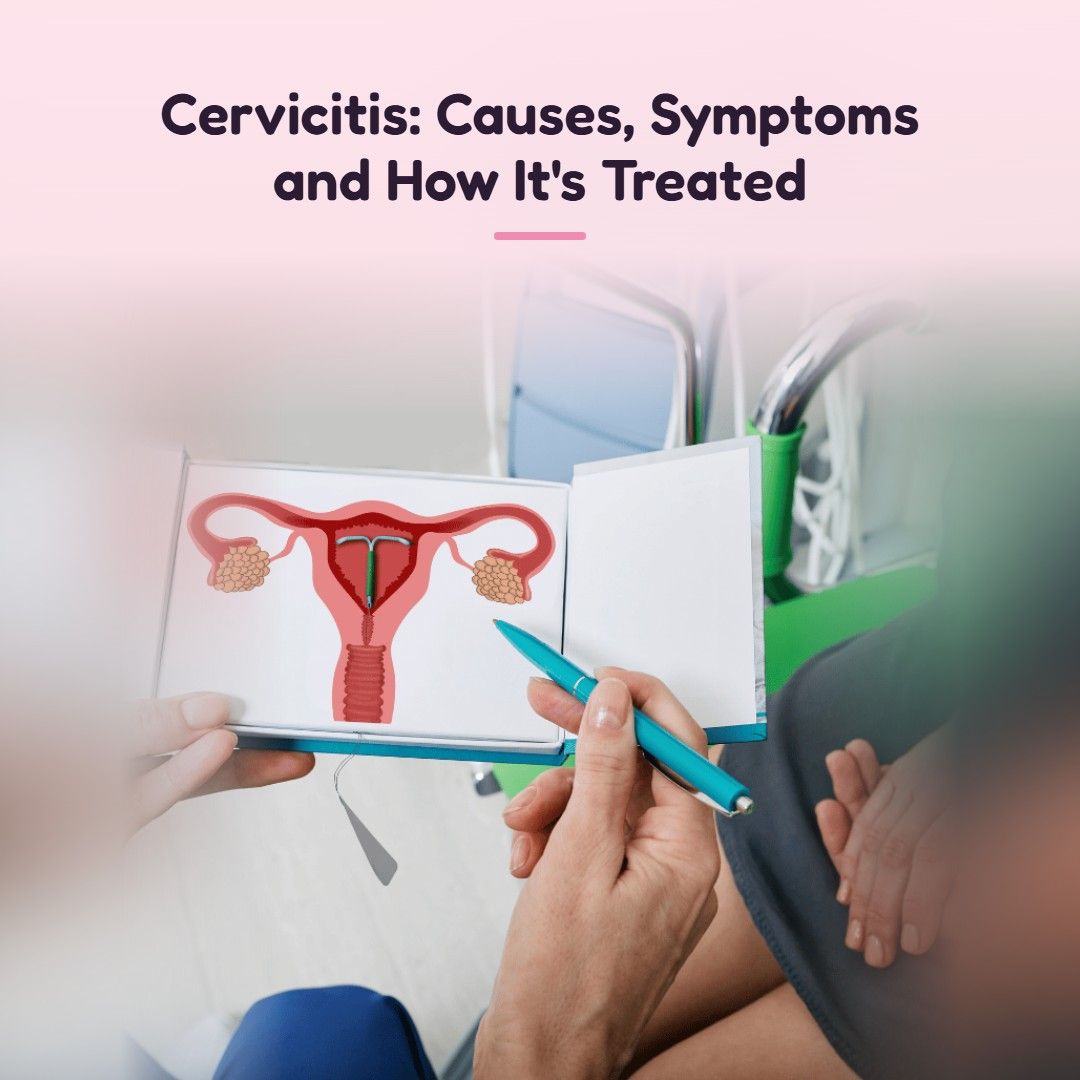
The cervix is the lower, narrow part of the uterus that opens into the vagina. Its surface is delicate, and the cells on it are a common target for some infections.
Infectious causes
- Chlamydia and gonorrhea, the most common identifiable causes
- Mycoplasma genitalium, increasingly recognized
- Trichomoniasis and genital herpes
- Bacterial vaginosis, which is associated with cervicitis in some women
Non-infectious causes
- Irritation from douches, spermicides, or a forgotten tampon or device
- Allergy to latex or other products
- Low estrogen after menopause
In many cases no single cause is found, even after testing.
What are the symptoms?
Many women with cervicitis have no symptoms and only learn about it at a routine exam or STI screen. When symptoms do occur, they can include:
- Yellow or cloudy vaginal discharge
- Bleeding after sex or between periods
- Pain during sex
- Pain or burning when urinating
- A feeling of pelvic pressure or mild lower back pain
Fever, worsening lower abdominal pain or pain on movement may mean the infection has spread upward, called pelvic inflammatory disease (PID). This needs prompt care.
How is cervicitis diagnosed?
Pelvic exam
With a speculum, your gynecologist can see whether the cervix looks red, swollen or bleeds easily on contact, and whether there is discharge from the opening.
Swab tests
Nucleic acid amplification tests (NAAT/PCR) are the standard for chlamydia and gonorrhea. Many clinics in Seoul offer a multi-pathogen PCR panel that also checks Mycoplasma genitalium, trichomonas and others from the same sample. Results usually come back in a day or a few days.
Other checks
Your doctor may also suggest a pregnancy test, a Pap smear or HPV test if you are due, and blood tests for HIV and syphilis.
How is it treated?
If an STI is likely, many doctors start antibiotics on the day of the visit, without waiting for results, to reduce the risk of complications. Common choices include doxycycline for chlamydia and an injection of ceftriaxone for gonorrhea. Treatment is adjusted once results arrive.
Mycoplasma genitalium and trichomoniasis need specific regimens. Non-infectious cervicitis improves once the irritant is removed.
Partner treatment and follow-up
- Recent sexual partners should be tested and treated.
- Avoid sex for about seven days after completing treatment and until partners are treated.
- Retesting around three months later is usually recommended because reinfection is common.
For enrolled residents in Korea, consultation and medically necessary tests and prescriptions are generally covered by National Health Insurance at the usual co-pay. Extended STI panels are sometimes non-covered, so ask for a price first.
Why should cervicitis not be ignored?
Untreated infectious cervicitis can spread to the uterus and fallopian tubes, causing PID. PID can lead to chronic pelvic pain, ectopic pregnancy and infertility. Cervicitis also increases susceptibility to HIV.
How can it be prevented?
- Use condoms consistently, especially with new partners.
- Get regular STI testing if you are under 25 or have new or multiple partners.
- Avoid douching and harsh vaginal products.
Frequently asked questions
Is cervicitis the same as cervical cancer?
No. Cervicitis is inflammation, usually from infection. Cervical cancer is linked to persistent HPV and is screened for with Pap and HPV tests.
Can cervicitis affect fertility?
Cervicitis itself does not usually, but untreated infections that progress to PID can damage the fallopian tubes.
Can I get cervicitis if I am in a long-term relationship?
Yes. Infections like chlamydia can be present for months without symptoms, and non-infectious causes do not depend on partners.
The bottom line
Cervicitis is often silent but easy to diagnose with a swab and usually treated quickly with antibiotics. Testing, partner treatment and follow-up are the keys to protecting long-term reproductive health.
This article is for general information and does not replace medical advice. If you have fever or worsening pelvic pain, seek medical care the same day.