Adenomyosis: The Condition Behind Heavy, Painful Periods
Quick answer: Adenomyosis is a condition in which the lining of the uterus grows into its muscular wall, making the uterus enlarged, tender and prone to heavy, painful periods. It is most often found in women in their 30s and 40s and is usually diagnosed with ultrasound or MRI. Treatments range from painkillers and hormonal therapy, such as a hormonal IUD, to hospital-based surgery.
What happens in adenomyosis?
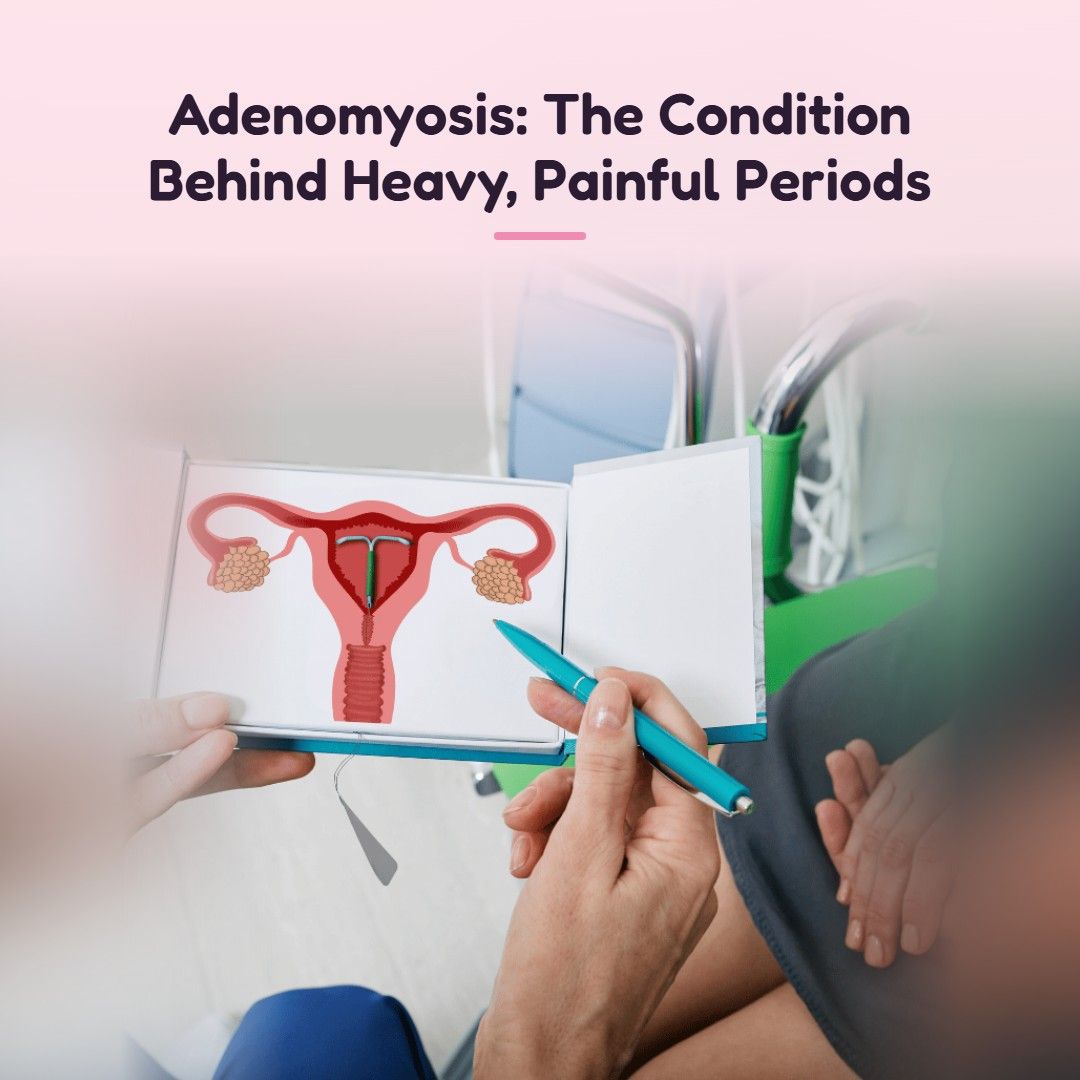
Normally, the endometrium lines the inside of the uterus and sheds each month. In adenomyosis, endometrial tissue grows into the myometrium, the muscle layer.
That tissue still responds to hormones and bleeds slightly each cycle within the muscle. This causes swelling, inflammation and a bulky uterus. It can be spread through the wall (diffuse) or form a localized lump called an adenomyoma.
Who gets it?
Adenomyosis is common, though exact numbers are uncertain because many women have no symptoms. Factors associated with it include:
- Age 35 to 50
- Having had children
- Previous uterine surgery, such as cesarean section or fibroid removal
- Coexisting endometriosis or fibroids
It is increasingly recognized in younger women too, thanks to better imaging.
What are the symptoms?
- Heavy menstrual bleeding, sometimes with clots or flooding
- Painful periods that worsen over the years
- Chronic pelvic pain or pressure
- Pain during sex
- Prolonged periods or spotting
- Tiredness from iron-deficiency anemia
About a third of women with adenomyosis have no symptoms, and it is found incidentally on a scan.
How is adenomyosis diagnosed?
Transvaginal ultrasound
This is usually the first test. Signs include a globular, enlarged uterus, an asymmetrically thickened wall, small cysts in the muscle and a blurred boundary between lining and muscle.
MRI
MRI gives a more detailed view and helps distinguish adenomyosis from fibroids when the picture is unclear.
Other checks
- Blood count and iron levels for heavy bleeding
- Pregnancy test
- Pap smear or HPV test if due, and sometimes an endometrial sample to rule out other causes of abnormal bleeding
How is it treated?
Symptom relief
- Anti-inflammatory painkillers such as ibuprofen or mefenamic acid
- Tranexamic acid during periods to reduce blood loss
- Iron supplements for anemia
Hormonal treatments
- Levonorgestrel IUD (such as Mirena): widely used and effective in reducing both bleeding and pain for many women
- Progestins such as dienogest
- Combined pills, sometimes taken continuously
- GnRH analogues for short-term relief or before surgery
Procedures and surgery
When medication is not enough, options include uterine artery embolization, focused ultrasound or other uterine-sparing techniques in some centers, or removal of a localized adenomyoma. Hysterectomy is the only definitive cure but is suited to women who have completed their families. All of these are performed at hospitals.
In Korea, consultation, ultrasound for a medical reason and many medications are covered by National Health Insurance for enrolled residents. Coverage for IUDs and specific procedures depends on the indication, so ask about costs in advance.
Adenomyosis and fertility
Adenomyosis has been associated with lower fertility and higher miscarriage risk in some studies. If you are trying to conceive, discuss your plans early so treatment can be tailored; some hormonal options are paused while trying.
Frequently asked questions
Is adenomyosis the same as endometriosis?
They are related but different. Endometriosis is tissue outside the uterus; adenomyosis is tissue within its muscle wall. Many women have both.
Can adenomyosis become cancer?
It is considered a benign condition. Abnormal bleeding should still be evaluated to exclude other causes.
Does it go away after menopause?
Usually yes. Symptoms typically settle as hormone levels fall.
The bottom line
Heavy, painful periods are not something you simply have to live with. Adenomyosis is common, diagnosable with ultrasound, and often well controlled with hormonal treatment, with surgery kept for when other options fail.
This article is for general information and does not replace medical advice. Soaking a pad every hour for several hours, dizziness or fainting needs urgent medical care.