Pelvic Inflammatory Disease: Early Signs and Why Fast Treatment Matters
Quick answer: Pelvic inflammatory disease (PID) is an infection of the uterus, fallopian tubes or ovaries, usually starting from an STI such as chlamydia or gonorrhea. Early signs include lower abdominal pain, pain during sex, unusual discharge, bleeding between periods and sometimes fever. Prompt antibiotics matter because delayed treatment raises the risk of infertility, ectopic pregnancy and chronic pelvic pain.
What is PID and how does it start?
PID happens when bacteria travel up from the vagina and cervix into the upper reproductive organs. Chlamydia and gonorrhea are common triggers, but many cases involve a mix of bacteria, including those linked to bacterial vaginosis.
Who is at higher risk?
- Women under 25 who are sexually active
- Having a new partner, multiple partners, or a partner with other partners
- A previous episode of PID or STI
- The first few weeks after IUD insertion (the risk is small and short-lived)
- Recent gynecologic procedures
What are the early signs?
PID symptoms can be mild and easy to dismiss. Look out for:
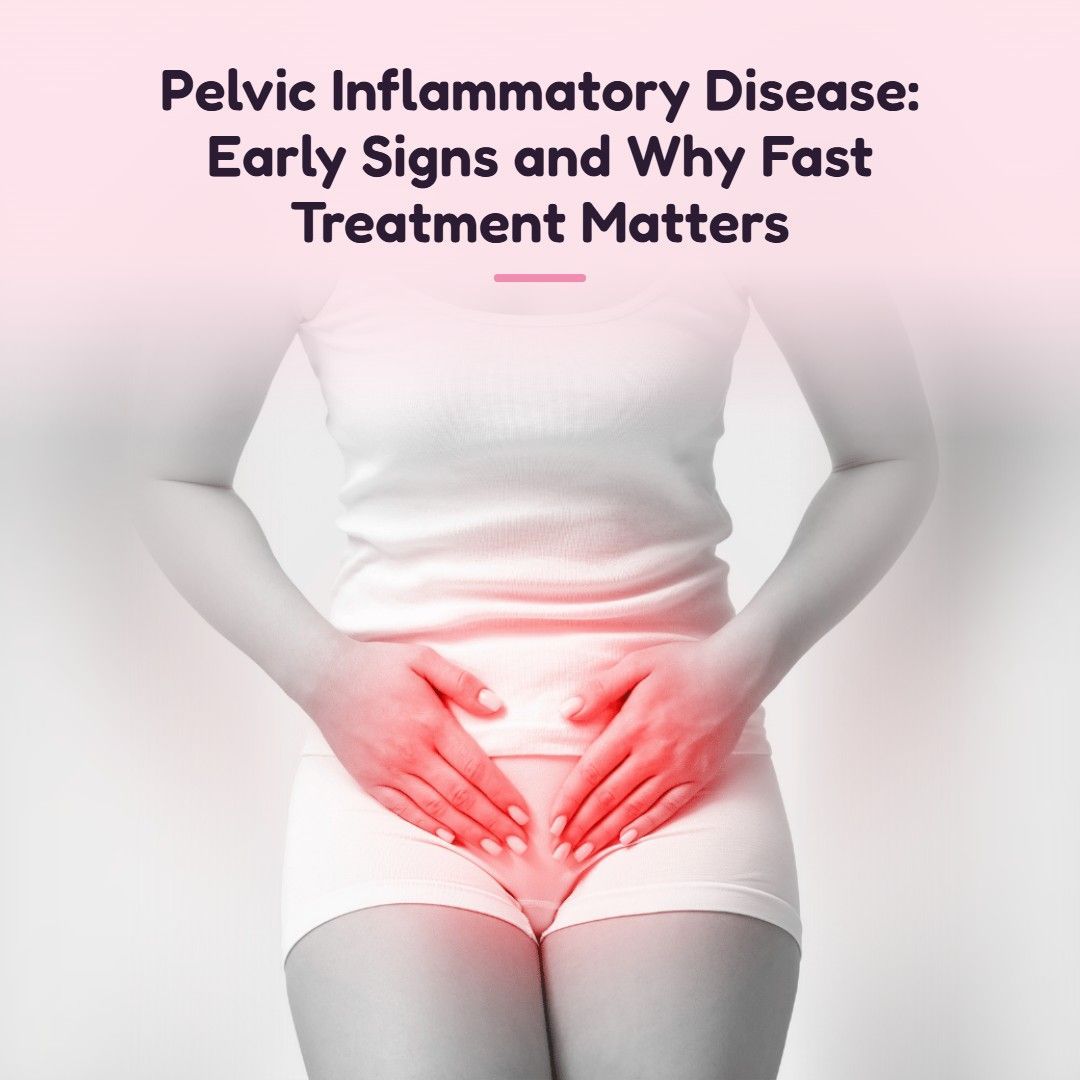
- Pain or tenderness in the lower abdomen or pelvis, often on both sides
- Deep pain during sex
- Unusual vaginal discharge, sometimes with odor
- Bleeding between periods or after sex
- Pain or burning when urinating
- Fever, chills, nausea or vomiting in more severe cases
Some women have very few symptoms, a pattern sometimes called silent PID. Damage to the tubes can still occur.
Why does fast treatment matter?
Inflammation can scar the fallopian tubes. The more episodes and the longer the delay, the higher the risk of:
- Infertility from blocked or damaged tubes
- Ectopic pregnancy, where a pregnancy implants outside the uterus
- Chronic pelvic pain lasting months or years
- Tubo-ovarian abscess, a collection of pus that may need hospital treatment
Because of these risks, guidelines advise doctors to start treatment as soon as PID is suspected, without waiting for test results.
How is PID diagnosed?
There is no single test. Diagnosis is mainly clinical, based on symptoms and a pelvic exam that shows tenderness of the cervix, uterus or ovaries.
Supporting tests
- Swabs for chlamydia, gonorrhea and Mycoplasma genitalium (PCR)
- Pregnancy test, to rule out ectopic pregnancy
- Microscopy of vaginal discharge
- Blood tests for inflammation in some cases
- Pelvic ultrasound to look for an abscess or other causes of pain
Appendicitis, ovarian cysts and ectopic pregnancy can mimic PID, so these are considered too.
How is PID treated?
Outpatient treatment
Most women with mild to moderate PID are treated at a clinic with a combination of antibiotics, often an injection followed by about 14 days of tablets. A follow-up visit within a few days checks that you are improving.
Hospital treatment
Hospital admission and intravenous antibiotics are recommended for severe illness, high fever, vomiting, suspected abscess, pregnancy, or when tablets have not worked. In Korea, a clinic can write a referral letter (진료의뢰서) to a hospital if needed; for severe symptoms, go to an emergency department or call 119.
Partners and follow-up
- Recent partners should be tested and treated.
- Avoid sex until you and your partners have completed treatment.
- Retesting for chlamydia or gonorrhea after about three months is usually advised.
An IUD does not usually need to be removed, but your doctor will review this if you do not improve.
How can PID be prevented?
- Use condoms with new or multiple partners.
- Get regular STI screening, especially if under 25.
- Treat STIs and BV promptly and complete the full course.
- Avoid douching.
Frequently asked questions
Can PID go away by itself?
It should not be left untreated. Even if pain eases, ongoing inflammation can still damage the tubes.
Can I get pregnant after PID?
Many women do, especially when treated early. The risk of fertility problems rises with repeated or delayed episodes.
Is PID always caused by an STI?
Not always. Other vaginal bacteria can be involved, but STIs are the most important preventable cause.
The bottom line
PID can start with subtle pelvic pain or discharge, but its long-term effects can be serious. Seeing a gynecologist promptly and starting antibiotics early is the best way to protect your fertility.
This article is for general information and does not replace medical advice. Severe pelvic pain with fever or vomiting needs urgent care; call 119 if you feel very unwell.