Endometriosis: Symptoms, Diagnosis and Treatment Options
Quick answer: Endometriosis is a chronic condition in which tissue similar to the uterine lining grows outside the uterus, causing painful periods, pelvic pain, pain during sex and sometimes difficulty getting pregnant. It is often diagnosed from symptoms, exam and ultrasound, with surgery used in selected cases. Treatment includes pain relief, hormonal therapy and, when needed, surgery at a hospital.
What is endometriosis?
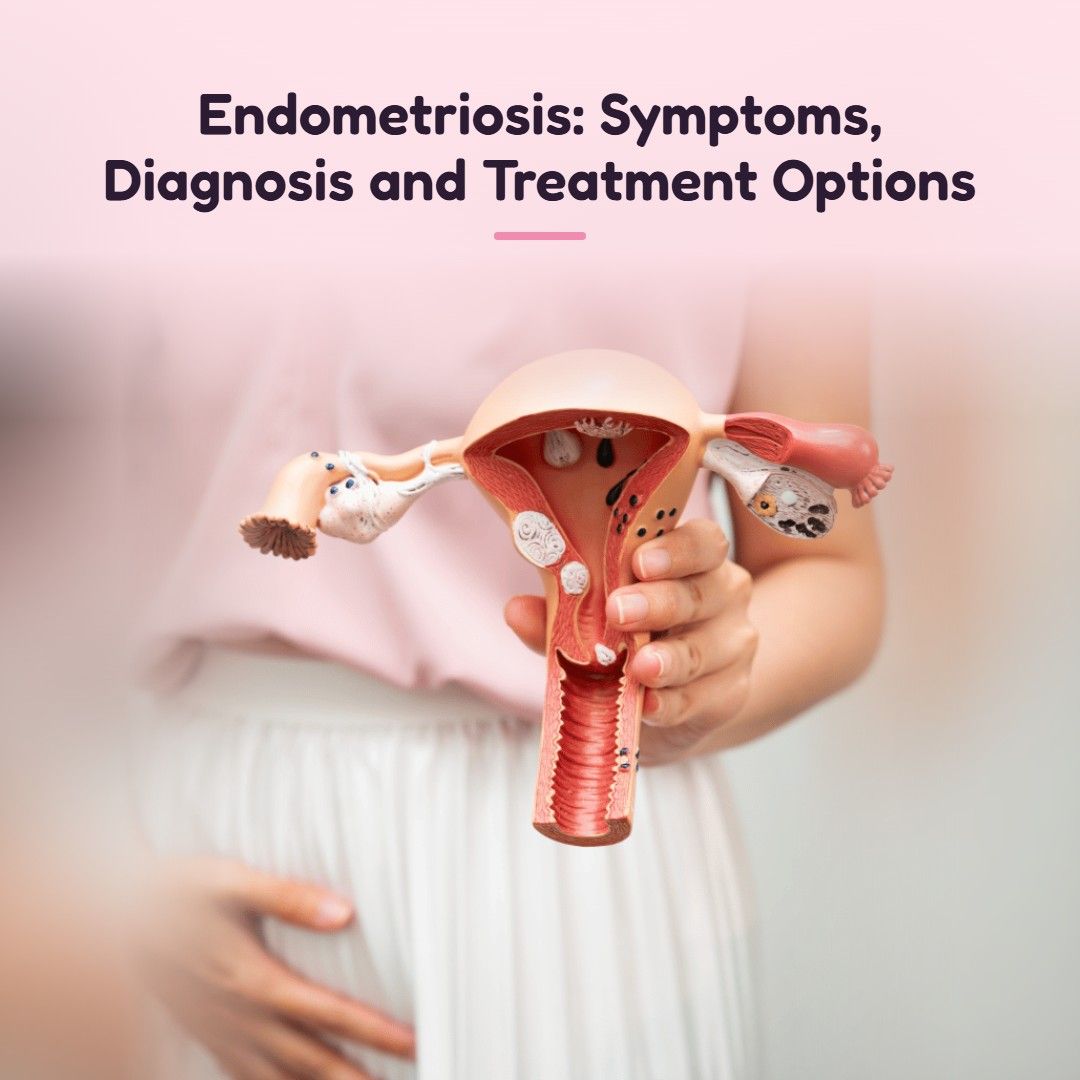
In endometriosis, endometrium-like tissue grows on the ovaries, the lining of the pelvis, the ligaments behind the uterus and, less often, the bowel or bladder. It responds to hormonal cycles, causing inflammation, scarring and pain.
The WHO estimates it affects roughly 10% of women and girls of reproductive age worldwide. Many wait years for a diagnosis because period pain is often dismissed as normal.
What are the symptoms?
- Period pain that is severe, worsening over time or not relieved by usual painkillers
- Pelvic pain between periods
- Deep pain during or after sex
- Pain with bowel movements or urination, especially during periods
- Bloating, fatigue and nausea around periods
- Difficulty getting pregnant
Symptom severity does not always match how much endometriosis is present. Some women with extensive disease have mild pain, and vice versa.
How is it diagnosed?
History and examination
Your gynecologist will ask about the pattern of pain, your periods, bowel and bladder symptoms, and fertility plans. A pelvic exam can reveal tenderness, nodules or a fixed uterus.
Imaging
Transvaginal ultrasound is the first-line test. It reliably detects endometriomas (ovarian cysts filled with old blood, sometimes called chocolate cysts) and, in experienced hands, can show deep endometriosis. MRI is sometimes used for more detailed mapping.
Surgery
Laparoscopy, a keyhole operation performed at a hospital, can confirm endometriosis and remove lesions. Current guidelines increasingly support starting treatment based on symptoms and imaging, without needing surgery first.
What are the treatment options?
Pain relief
Anti-inflammatory painkillers such as ibuprofen or naproxen, taken early in the period, help many women. Heat, exercise and pelvic physiotherapy can also ease symptoms.
Hormonal treatments
- Combined birth control pills, often taken continuously to skip periods
- Progestins such as dienogest, which is widely used in Korea for endometriosis
- Hormonal IUD (levonorgestrel), which can reduce period pain
- GnRH agonists or antagonists, which lower estrogen; usually for shorter periods or with add-back therapy
Hormonal treatment controls symptoms and can slow progression, but it is not a cure, and symptoms often return after stopping.
Surgery
Surgery to remove lesions or large endometriomas is performed at hospitals. It may be recommended when medication does not work, cysts are large, organs are affected, or for some fertility situations. A clinic can refer you with a referral letter (진료의뢰서).
Fertility
Many women with endometriosis conceive naturally. If pregnancy does not happen, fertility specialists at hospitals or fertility centers can advise on options including IVF.
Living with endometriosis
- Keep a symptom diary of pain, bleeding and triggers.
- Agree a long-term plan; endometriosis typically needs management until menopause.
- Have regular ultrasound follow-up if you have an endometrioma.
- Seek support for pain and mental health; chronic pain is exhausting.
In Korea, consultation, ultrasound for a medical indication and many endometriosis medications are covered by National Health Insurance for enrolled residents, with co-pays. Coverage of specific drugs can depend on criteria, so ask your clinic.
Frequently asked questions
Is endometriosis cancer?
No. It is a benign condition. A very small increase in risk of certain ovarian cancers has been reported, but the absolute risk remains low.
Does pregnancy cure endometriosis?
No. Symptoms may improve during pregnancy and breastfeeding but often return afterward.
Can teenagers have endometriosis?
Yes. Severe period pain that disrupts school should be assessed rather than dismissed.
Does it go away after menopause?
Symptoms usually improve after menopause as estrogen falls, though not in every case.
The bottom line
Endometriosis is common, real and treatable, even if it cannot be cured. If period pain stops you from living normally, a gynecologist can assess you, use ultrasound and start effective treatment without necessarily needing surgery.
This article is for general information and does not replace medical advice. Sudden severe pelvic pain, fainting or fever should be treated as an emergency.