What Is a Pap Smear and How Often Should You Get One?
Quick answer: A Pap smear is a quick test that collects cells from your cervix to look for changes that could turn into cervical cancer. Most guidelines suggest starting in your twenties and repeating every 3 years, or every 5 years from age 30 if combined with an HPV test. In Korea, NHIS-enrolled women aged 20+ can get a free Pap smear every 2 years.
What exactly is a Pap smear?
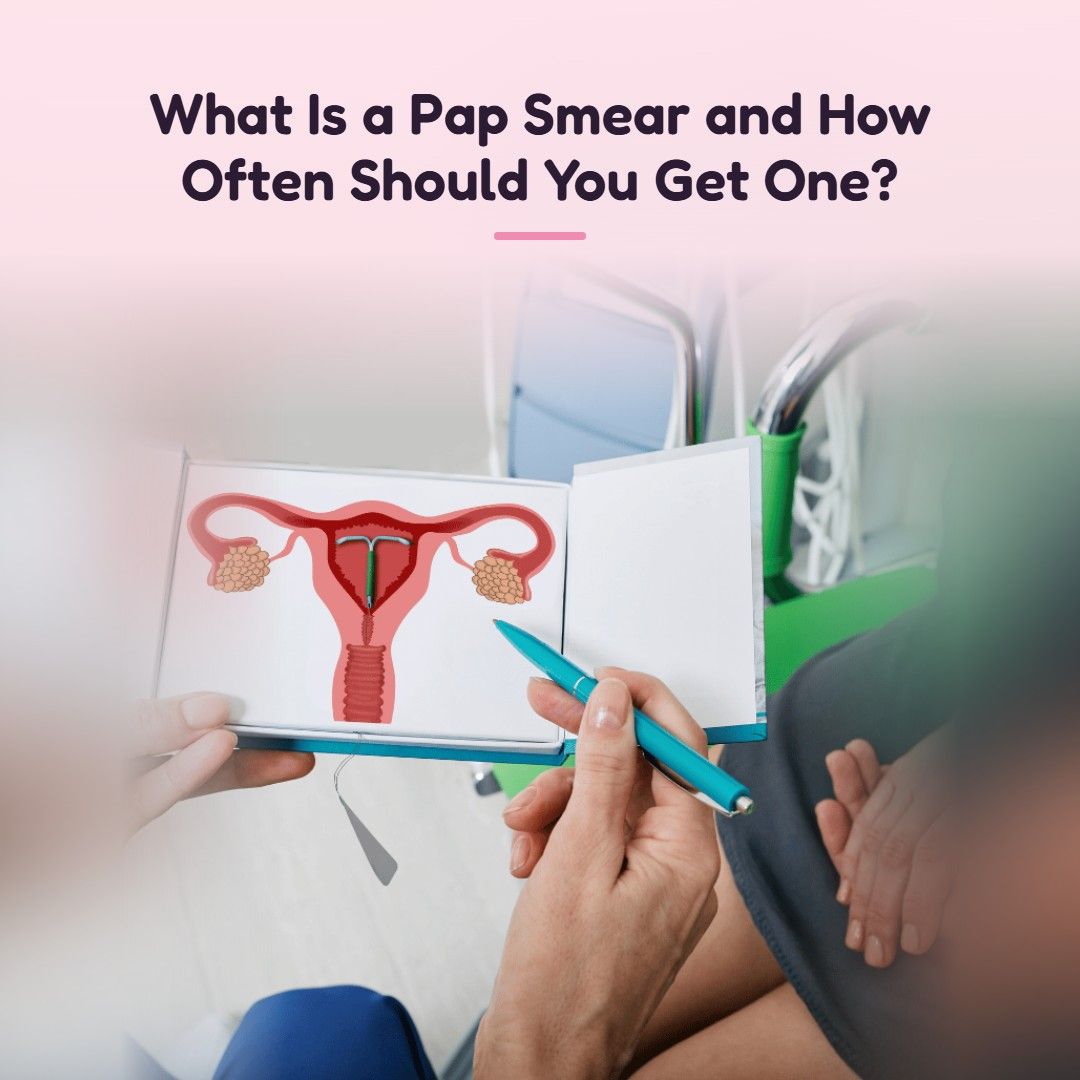
A Pap smear (also called a Pap test or cervical cytology) is a screening test for cervical cancer. It does not diagnose cancer on its own. Instead, it looks for abnormal cells on the cervix, the lower part of the uterus that opens into the vagina.
Most cervical cancers develop slowly over many years, usually after a long-lasting infection with high-risk types of human papillomavirus (HPV). Regular screening catches precancerous changes early, when they are simple to monitor or treat.
What a Pap smear is not
- It is not a test for sexually transmitted infections such as chlamydia or gonorrhea, unless your gynecologist adds those tests separately.
- It does not check your ovaries or uterus. That needs a pelvic exam or ultrasound.
- It is not the same as an HPV test, although both can be taken from the same sample.
How is the test done?
The whole procedure usually takes less than five minutes in the exam room.
- You undress from the waist down and lie on an examination chair with your legs supported.
- Your gynecologist gently inserts a speculum to see the cervix.
- A small brush or spatula collects cells from the surface of the cervix.
- The sample goes to a laboratory, and results typically come back within about one to two weeks.
Many clinics now use liquid-based cytology, where the brush is rinsed into a vial of fluid. This allows HPV testing on the same sample if needed.
How often should you get one?
Recommendations differ slightly between countries, but they share the same logic: start in early adulthood, screen at regular intervals, and stop later in life if past results were normal.
| Age | Common international guidance (e.g. ACOG) | Korean national program |
|---|---|---|
| Under 21 | Screening not usually recommended | Not offered under the program |
| 21–29 | Pap smear every 3 years | Free Pap smear every 2 years from age 20 |
| 30–65 | HPV test every 5 years, co-test (Pap + HPV) every 5 years, or Pap alone every 3 years | Free Pap smear every 2 years; HPV testing is usually an optional extra |
| Over 65 | Can usually stop after a history of normal results | Discuss with your gynecologist |
The World Health Organization increasingly favors HPV-based screening as the primary test, because it is more sensitive. Your gynecologist can explain which approach suits your age and history.
When you may need more frequent tests
- A previous abnormal result or treatment for cervical precancer
- A weakened immune system, for example from HIV or immunosuppressive medication
- Exposure to DES (diethylstilbestrol) before birth
Getting a Pap smear in Korea as a foreigner
If you are enrolled in the National Health Insurance Service (NHIS), the national cervical cancer screening covers a Pap smear every two years for women aged 20 and over. Eligibility is usually by birth year: women born in an even year are invited in even years, and odd-year births in odd years.
- Bring your Alien Registration Card (ARC) or passport.
- Ask the reception whether the clinic is a designated national screening center (국가검진기관).
- Extra tests, such as HPV typing or an ultrasound, are usually non-covered and priced by each clinic.
- If you need records for an employer or insurer abroad, ask for an English result sheet and a receipt (영수증).
If you are not enrolled in NHIS, most women's clinics still offer the test privately, and booking through KakaoTalk or Naver is common.
How to prepare for the best result
- Schedule it when you are not on your period, ideally around the middle of your cycle.
- Avoid vaginal creams, douching, tampons and sex for about 48 hours beforehand, if possible.
- Tell your gynecologist if you might be pregnant, have unusual bleeding, or have had abnormal results before.
Frequently asked questions
Do I need a Pap smear if I have had the HPV vaccine?
Yes. The vaccine protects against the most dangerous HPV types but not all of them, so regular screening is still recommended.
I have never been sexually active. Do I need one?
Your risk is very low, but guidelines still generally suggest screening at the recommended ages. Discuss your history openly with your gynecologist.
Can I get a Pap smear during my period?
Light spotting is often fine, but heavy bleeding can affect the sample. Rescheduling for a few days later is usually better.
How will I get my results?
Many clinics send results by text, KakaoTalk or at a follow-up visit. Ask how and when you will hear back before you leave.
The bottom line
A Pap smear is a quick, low-cost test that can prevent cervical cancer by finding changes early. Follow a regular schedule, and if you are enrolled in NHIS, take advantage of the free screening every two years.
This article is for general information and does not replace medical advice. If you notice bleeding after sex, between periods or after menopause, see a gynecologist promptly rather than waiting for your next screening.