Does a Pap Smear Hurt? What It Actually Feels Like
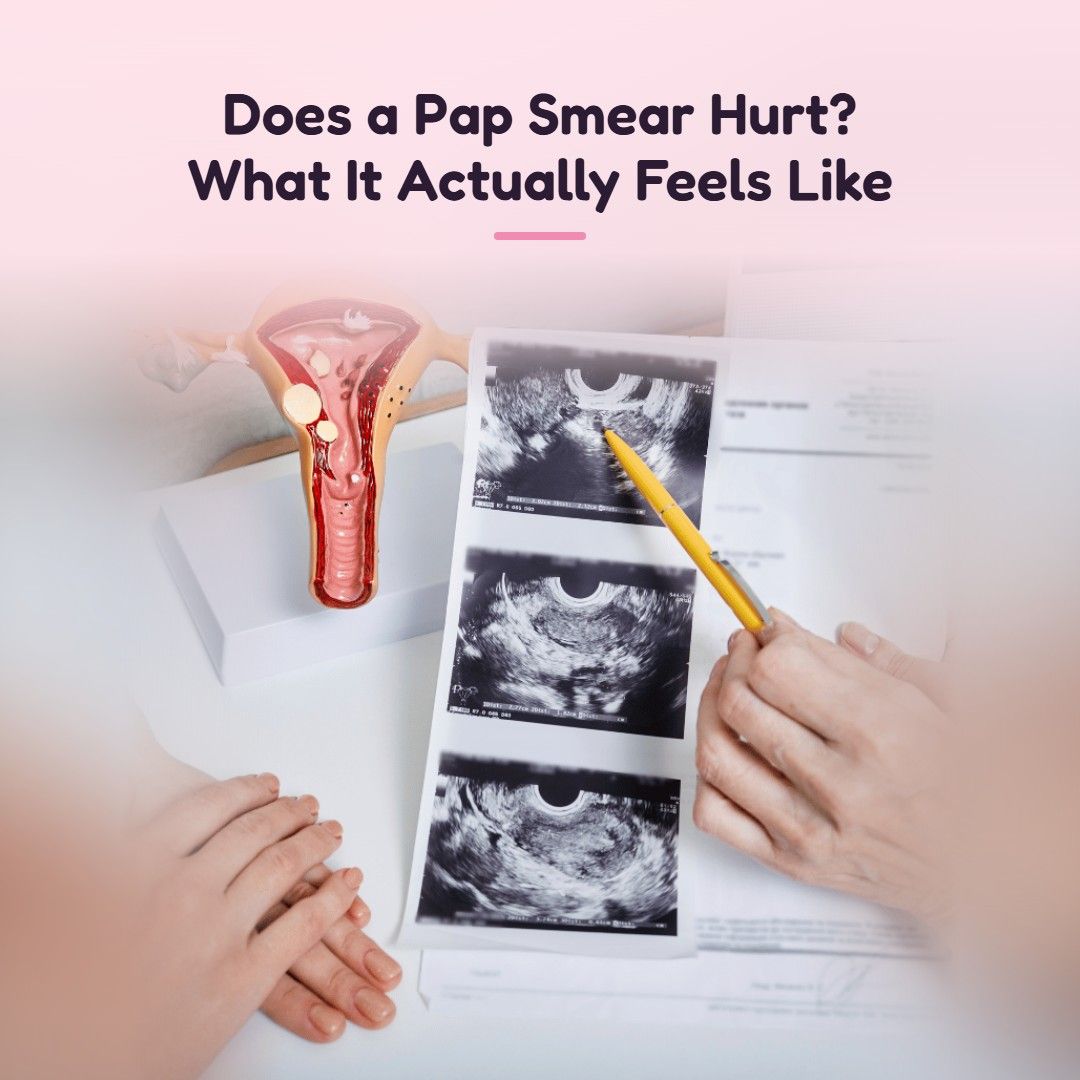
Quick answer: For most people a Pap smear does not hurt, but it can feel uncomfortable for a minute or two. You may notice pressure from the speculum and a brief scraping or cramping sensation when cells are collected. Relaxing your pelvic muscles, asking for a smaller speculum, and telling your gynecologist to pause whenever you need can make it much easier.
What does a Pap smear actually feel like?
Most women describe it as odd or uncomfortable rather than painful. The sensations happen in two short stages.
1. The speculum
The speculum is a smooth instrument that gently opens the vaginal walls so your gynecologist can see the cervix. You may feel stretching, pressure or coolness, especially if it is metal. This is usually the part people notice most.
2. Collecting the cells
A small brush or spatula is swept across the cervix for a few seconds. Some feel nothing at all; others feel a quick scratch, a twinge or a mild period-like cramp. It is over very quickly.
From start to finish, the actual sampling usually takes less than a few minutes.
Why does it hurt more for some people?
Discomfort varies a lot from person to person and visit to visit. Common reasons include:
- Tense pelvic muscles: Anxiety makes muscles tighten, which makes the speculum feel tighter.
- First exam or no prior sexual activity: The vaginal opening may be less used to stretching.
- Vaginal dryness: Common after menopause, while breastfeeding, or on some hormonal contraceptives.
- Cervix position: A tilted uterus can mean the speculum needs adjusting to find the cervix.
- Infection or inflammation: Tissues may be more sensitive and bleed slightly.
- Past trauma or conditions like vaginismus: These deserve a slower, gentler approach.
How can you make it more comfortable?
Before the appointment
- Book outside your period, ideally mid-cycle.
- Empty your bladder just before the exam.
- Some people take a regular dose of an over-the-counter pain reliever about an hour beforehand, if it is safe for them.
- If you are nervous, say so when you book. Many clinics in Seoul can arrange a female doctor or extra time.
During the exam
- Breathe slowly and let your knees fall outward rather than squeezing them together.
- Try to relax your buttocks and lower belly; tensing them makes it harder.
- Ask for a smaller speculum or extra lubricant. Water-based lubricant does not usually affect results.
- Ask your gynecologist to explain each step, or to stop and wait if you need a pause.
- Bring headphones or focus on a point on the ceiling if distraction helps.
You are always allowed to stop the exam. A good gynecologist will respect that and help you find a way to finish it another time.
Is it normal to bleed or cramp afterward?
Light spotting for a day or so is common, because the cervix has many small blood vessels. Mild cramping for a few hours can also happen.
Contact a doctor if you have heavy bleeding, bleeding that lasts more than a couple of days, fever, or strong pain that does not settle.
What to expect at a women's clinic in Korea
Korean gynecology clinics typically use a reclining examination chair with leg supports rather than a flat table with stirrups. You usually change into a wrap skirt in a small changing room, and a curtain often separates you from the doctor's upper view.
- A nurse is usually present to assist.
- If you prefer to have the curtain open, or closed, just ask.
- Useful Korean words: 아파요 (it hurts), 잠깐만요 (just a moment), 천천히 해 주세요 (please go slowly).
Many clinics in central Seoul have English-speaking staff, but it helps to confirm this when booking by KakaoTalk or Naver.
Frequently asked questions
Does a Pap smear hurt more than an IUD insertion?
No. A Pap smear only touches the surface of the cervix, while an IUD passes through the cervical canal into the uterus, which usually causes stronger cramping.
Can I have a Pap smear if I have never had sex?
Yes. Your gynecologist can use a very small speculum. Let them know your history so they can go slowly.
Can I collect the sample myself?
Self-collected swabs are approved for HPV testing in some countries, but availability in Korean clinics varies. A Pap smear itself still needs a clinician-collected sample.
Why did my last Pap smear hurt when the one before did not?
Stress, dryness, cycle timing or a different speculum size can all change how it feels. Mention it next time so the exam can be adjusted.
The bottom line
A Pap smear is usually brief discomfort rather than real pain, and it can prevent cervical cancer. Speak up about your worries, ask for adjustments, and remember that you control the pace of the exam.
This article is for general information and does not replace medical advice. If you have pain during sex or every pelvic exam is very painful, ask your gynecologist about it, since treatable conditions can be the cause.